
Issue 240 – 5 March 2026
|
Welcome to Practice Connect, a fortnightly update for practice managers, principals, nurses and administration staff on relevant issues, upcoming events and education. Please note that the next edition of the newsletter will be published on Friday 20 March 2026. |
Medicare and MyMedicare updates
MyMedicare quick reference guide

Services Australia has created a comprehensive quick reference guide designed to support practices in efficiently managing system errors, as well as information and warning messages. This guide provides clear, practical assistance to help practices address these error messages effectively.
Learn more here.
Please click here to access a detailed listing of Services Australia Booklets.
For further information, contact Practice Assist or your Primary Care Navigator on 08 6278 7900 or via email practiceassist@wapha.org.au
MyMedicare Minute from the Department of Health, Disability and Ageing
|
MyMedicare Minute – Week One One key message. One minute to read. |
MyMedicare strengthens continuity of care with a patient’s regular practice, while still allowing patients to attend any practice for care when needed.
What practices need to know
Resources We encourage you to utilise the Department of Health, Disability and Ageing or Services Australia websites for more information. |
Practice news
Australian Warning System: What general practices need to know this cyclone season

With cyclone season underway and disasters already affecting parts of Western Australia, general practices play a vital role in supporting patient safety and continuity of care during disasters.
In July 2024, WA adopted the Australian Warning System (AWS) — a nationally consistent approach to emergency warnings for hazards including cyclones, bushfires, floods, storms, and heatwaves. The system uses standardised warning levels, colours, and hazard icons, supported by clear action statements.
For general practice, this consistency helps teams and patients quickly understand:
- When to evacuate.
- When to stay put.
- What actions to take.
- When the “all‑clear” has been given.
During cyclones, clear warnings support practices to anticipate service disruptions, reinforce official advice with patients, and plan care for those most at risk. Understanding the Australian Warning System is an important part of disaster preparedness for general practices and the communities they serve.
You can view the current warnings via the Emergency WA website and through their app. It is important that you stay up to date with hazards in their area, so that you can act quickly if there is an incident in your area.
More information about the Australian Warning System:
Coordinated action needed to achieve Closing the Gap targets in WA
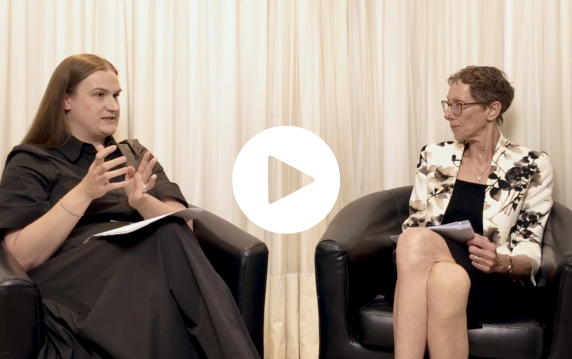
WA Primary Health Alliance’s Executive General Manager Strategy, Governance and Partnerships, Chris Kane, recently had an in-depth chat with Klaudia Shenton from the Aboriginal Health Council of WA about how stronger community-run health services can make a real difference for Aboriginal people.
Watch the full interview in our latest Better Health, Together video:
Care finders improving access to aged care
WA Primary Health Alliance (WAPHA) commissions care finder service organisations across WA to help older people who need more intensive support to access aged care and other services. This service is supported by funding from the Australian Government under the PHN Program.
Care finders have already helped over 40,000 eligible older Australians find extra support. Learn more in this short video bringing together key elements of real cases highlighting the challenges older people can face when accessing health care.
Watch the video:

To learn more about eligibility, visit WAPHA care finders or find your nearest local care finder organisation at My Aged Care Help from a care finder.
Nurse Re-entry Program – Looking to add a practice nurse to your team?
The Nurse Re-entry Program is an Australian Government initiative supporting general practices to build their capability by hosting nurses in supervised placements. The program helps nurses who haven’t practised in the last 5-10 years to return to the workforce through paid, supervised placements in general practice. The program also supports nurse practitioners transitioning into general practice.
Visit the Nurse Re-entry Program or send an email to nursereentry@nbmphn.com.au for more information.
Online Orientation Sessions for new GPs in rural WA
Do you have a new GP starting at your practice soon? Or have a recent overseas recruit looking for extra support as they find their feet?
Rural Health West provides all new GPs to rural WA with two online orientation sessions that are free to attend. The first session facilitated by a GP introduces GPs to the Australian healthcare system, cultural safety topics, professional practice and legislative requirements, and settling into life and practice in Australia. The second session will guide your new GP through the support services available through Rural Health West, such as conferences and workshops, CPD grants and other relevant RHW programs.
Rural Health West would love to meet your new GP and warmly welcome them to rural WA. You can send an expression of interest on your new GP’s behalf easily, through their website.
Supporting multicultural and CALD patients
Making health care accessible for multicultural communities

Around thirty per cent of Western Australians are born overseas, making ours one of the most culturally diverse states in the nation.
With people from over 200 countries, speaking more than 245 languages and dialects living here, it is important that our health services are culturally appropriate to ensure everyone in our community receives the best possible care.
General practice plays a vital role in improving the health outcomes for people from a multicultural background.
Multicultural resources for general practice:
The following resources may help general practices create a welcoming and culturally safe environment, with easy access to translated information, health promotion materials, screening resources, and practical tools to support clear communication and informed choices.
- Multicultural resources for health professionals
- Multicultural health
- Your culture is important to us – A3 Poster.pdf (PHN Brisbane North)
- Culture-Counts (PHN Brisbane North)
- Diabetes resources in your language
- AUSDRISK risk assessment tool
- Cancer Council diverse languages and cultures resources
- True Relationships – get a cervical screening test
- Cervical screening – how to collect your own sample
- NCSP – cervical screening explained
- Understanding the bowel cancer screening test
- National lung cancer screening program
- Healthdirect translated resources
- Multicultural resources for health professionals
- Beyond Blue translated mental health resources
For further information on resources for patient care and practice processes for patients from a multicultural background, contact Practice Assist or your Primary Care Navigator on 08 6278 7900 or via email practiceassist@wapha.org.au
Supporting refugee health in general practice
Refugees often face challenges in accessing health care, such as complex health needs, language barriers, and navigating the Australian health system. General practices are crucial in supporting these patients by delivering comprehensive, culturally sensitive care. Below are key strategies for effectively assisting refugees in their health journey in Australia.
Key strategies:
- Identify and manage complex health needs specific to refugees.
- Deliver both immediate and ongoing care.
- Connect patients with community resources.
- Provide culturally aware support.
- Encourage holistic, patient-focused health and wellbeing.
General practice refugee resources:
- Refugee Health Guide Make your practice refugee health ready (North Western Melbourne PHN )
- Education for General Practitioners providing mental health care for refugee populations (General Practice Mental Health Standards Collaboration)
- Humanitarian Entrant Health Service
- Refugee Health Team
For further information on supporting people who are refugees within your practice, contact Practice Assist or your Primary Care Navigator on 08 6278 7900 or via email practiceassist@wapha.org.au
Free multilingual telephone hotline for people affected by overseas conflicts
People living in Australia who are affected by overseas conflicts can call a free, confidential multilingual telephone hotline for information about available support and connection to local services.
The hotline is staffed by support workers who can speak Arabic, Dari, English, Hebrew and Ukrainian or other languages with an interpreter.
To access the hotline, free call 1800 845 198 from 10am to 7pm (Australian Eastern Daylight Time) Monday to Friday.
Flyers are available to download and share in Arabic, Dari, English, Hebrew, and Ukrainian.
For further information see the STARTTS Witness to War Multilingual Hotline website.
Immunisation and cancer screening updates
Winter Strategy plan for immunisation

As part of the 2026 Winter Strategy, the Government of Western Australia has announced the free influenza program.
This year’s program will provide free influenza vaccines to those aged 12 to 64 years who are otherwise not eligible for a free influenza vaccine through the National Immunisation Program (NIP). This program will commence on 1 May and conclude on 30 June 2026.
As per advice sent in November to all service providers via their vaccine ordering accounts, no reimbursements for private stock will be offered.
In addition to the free flu vaccine the WA Influenza Nasal Spray Vaccination Program was announced. Children aged between 2 and 11 years will be eligible for a free FluMist vaccine, an intranasal live attenuated vaccine. This program will commence in mid-April and conclude on 31 July 2026.
- To read the winter strategy announcement, click here.
- To read the free flu program letter from Department of Health, click here.
- To subscribe to Vaccine Updates, click here.
If you are not receiving regular communications from the Department of Health, including order confirmations, review and/or update your contact details now.
- To check and update your details:
- Login to your Onelink account here.
- Click on My Account.
- Click on Account Details and check the email address listed (note that there will also be onelink email addresses for record keeping purposes).
- If the email needs to be updated, please click on the Request Address Change at the bottom left of the window or click here.
If you have any questions about this process, please email customerservice@onelink.com.au. Any further questions can be emailed to vaccineorders@heakth.wa.gov.au
Cold chain audits for 2026

Over the past three years, the WA Department of Health has successfully implemented an online audit process for government and non‑government vaccine providers in metropolitan WA.
Building on this success, the program will now include all services across country WA, ensuring a consistent approach statewide.
How the audit will work in 2026:
- Who is included: All primary health services in WA that receive state- or federally- funded vaccines.
- When: The online audit commences for WA country areas in 2026. Metro areas, as in previous years, are grouped into three regions (North, South and East).
- Notifications:
- Services will first receive a formal letter from the WA Health Immunisation Program Manager.
- This will be followed by an email from your Regional Immunisation Coordinator (RIC) containing a unique link to the online audit tool.
- Time frame: Services are expected to complete the online audit within four (4) weeks of receiving their link.
- Support: Regional Immunisation Coordinators are available to assist with questions, provide clarification on Strive for 5 requirements, and review all audit results. They will work with services on any follow‑up actions needed to maintain full compliance.
What services need to do now:
- Watch for your letter from the WA Health Immunisation Program Manager.
- Look out for the email from your RIC with your audit link.
- Complete the online audit within four weeks of receiving the link.
- Contact your RIC for any assistance or clarifications.
Questions or support:
- Contact your RIC via your regional PHU: Contact details for public health units
- Strive for 5 guidance: National Vaccine Storage Guidelines ‘Strive for 5’ | Australian Government Department of Health, Disability and Ageing”
NEW Respiratory Syncytial Virus (RSV) vaccine fridge labels
Since the introduction of Abrysvo (antenatal RSV vaccine) in 2025, several clinical incidents have occurred where Abrysvo and Beyfortus (infant RSV immunisation) have been confused.
Such errors have been reported in WA and nationally, indicating a system‑wide issue. The Department of Health requests your support to reduce the risk of future errors.
The Department of Health has developed vaccine fridge labels to help providers clearly distinguish between the two RSV vaccines easily when stored in the fridge.
Information on how to order the labels and how to organise your fridge can be found in Vaccine Update #476.
For further information about RSV and immunisation to protect against RSV, please refer to the WA Immunisation Schedule and the Australian Immunisation Handbook.
Declining adolescent immunisation rates
The Australian Immunisation Register data from 2025 shows 65% of eligible adolescents received the HPV vaccine, 69% their dTpa booster and 63% of eligible adolescents received the Men ACWY vaccine.
This exposes adolescents to risks and complications associated with vaccine-preventable diseases, including human papillomavirus (HPV), pertussis, and meningococcal disease.
The School Based Immunisation Program usually delivers the adolescent vaccines; however primary care can still be involved to help lift the immunisation rates.
WA Health is urging all immunisation providers to:
- Review immunisation records and use reminder or recall systems for patients who may be overdue for their age-appropriate vaccines.
- Discuss adolescent immunisation with teens and their parents.
- Offer opportunistic vaccination to eligible individuals.
For more information, click here to read the Vaccine Update.
Cervical Screening Test (CST): Understanding updated screening intervals
Since 1 December 2017, the National Cervical Screening Program (NCSP) replaced the 2-yearly Pap test with a 5-yearly primary HPV test for all asymptomatic people with a cervix aged 25–74 years. This was one of the most significant changes to the program and continues to be a source of patient questions and anxiety. Understanding the rationale is essential to counselling patients confidently.
The HPV test is more sensitive than cytology, meaning it can detect high-risk HPV infection earlier and more reliably.
The evidence supports that a person who tests negative for oncogenic HPV is at very low risk of developing significant cervical abnormalities within the following 5 years.
The average time for a persistent HPV infection to progress to cervical cancer is 10–15 years, making 5-yearly screening both safe and effective.
Key interval points for clinicians:
- Routine (asymptomatic, low-risk): 5-yearly screening for those aged 25–74 years.
- Immune-deficient patients: 3-yearly screening is recommended. Please see clarified and expanded advice on immune deficient participants.
- Test of Cure (post-HSIL treatment): Annual screening until two consecutive negative results, then return to 5-yearly routine screening (updated April 2025).
- In utero exposure to Diethylstilboestrol (DES): Annual co-test required.
Health professionals can book time to discuss the National Cervical Screening Program with dedicated staff from the WA Cervical Cancer Prevention Program (WACCPP). They are available in clinic or online for education sessions, or by emailing cervicalscreening@health.wa.gov.au or phone 0407 389 159.
HPV Update
Presented by Immunisation Coalition
11 March (3pm to 4pm AWST)
Acknowledging our declining Adolescent immunisation rates, the Immunisation Coalition is hosting a Human Papilloma Virus (HPV) update webinar.
Angela Newbound is an Immunisation Education Consultant based in South Australia and has been delivering immunisation education and clinical support to General Practice and other health professionals for over 20 years.
In this webinar she will give the latest facts about HPV and the current vaccination.
Register here.
Ask a Respiratory Physician about the NLCSP
Presented by Primary Care Cancer Education
24 March (6pm to 7pm AWST)
Join this interactive session with Professor Fraser Brims, Respiratory Physician, developed specifically for GPs and primary care health professionals.
This is a unique opportunity to have your clinical and practical questions about the National Lung Cancer Screening Program (NLCSP) addressed, seek clarification on complex scenarios, and follow discussions of real-world cases with a specialist.
The session will support evidence-based decision-making in general practice and provide practical insights you can apply to patient care.
For further information and to register, click here.
WA Health Influenza Update
Presented by Department of Health Communicable Disease Control Directorate Immunisation Program
25 March (9.30am to 12pm AWST) Department of Health Theatrette, or online via MS Teams
The Department of Health Communicable Disease Control Directorate Immunisation Program invites WA immunisation providers to attend the 2026 WA Health Influenza Update.
The session will cover information on 2026 program details. The agenda will be shared ahead of the session.
To find out more, view the flyer and register here.
Please feel free to circulate this email amongst your networks, to any relevant colleagues who may be interested in attending.
Health promotion event
Juvenile Arthritis Week (JAW) is 16 to 22 March 2026
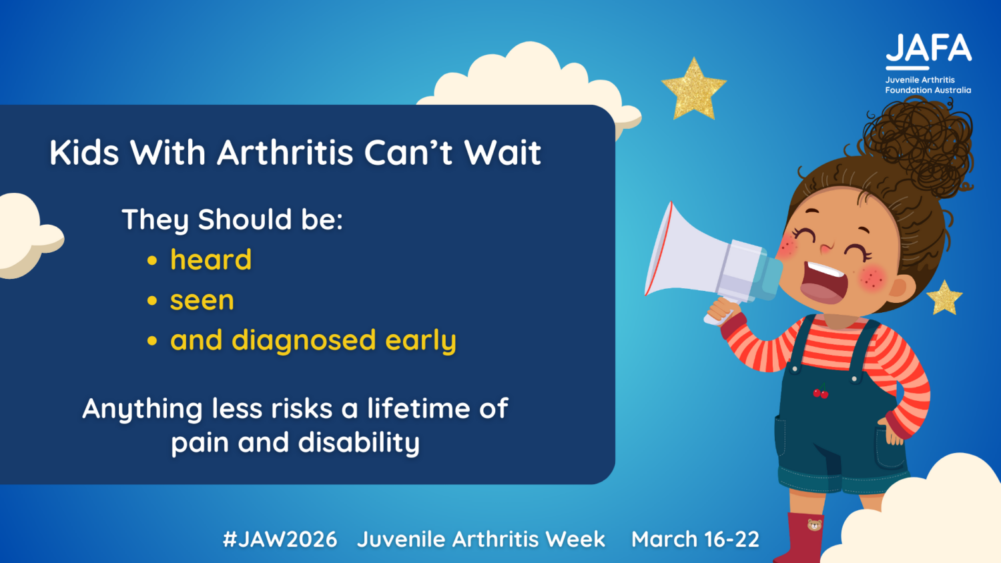
2026 marks the fourth year for JAFA’s Juvenile Arthritis Week (JAW). JAW 2026 celebrates the courage and resilience of the thousands of Australian children, young people and families who deal with the challenges of juvenile idiopathic arthritis (JIA) and other childhood rheumatic diseases (CRDs) every single day!
Learn more here about getting involved!
Education and events
Motivational Interviewing – family and domestic violence applications
Presented by WA Primary Health Alliance
12 March (11.30am to 1pm)
Learn how to build motivation for safety and change through trauma-informed, culturally sensitive conversations and effective referral strategies.
This online workshop is designed for GPs and other primary care providers to enhance skills in addressing domestic and family violence using appropriate motivational interviewing strategies.
The session will focus on techniques to support patients experiencing domestic and family violence with some content covered on people who use violence.
The event is brought to you by Western Australia Primary Health Alliance and the Safer Families Centre, University of Melbourne
This event is RACGP CPD and pending ACCRM CPD accredited. Only available for practice staff located in the Perth South region.
More information and register here – Motivational Interviewing – WAPHA.
Webinars: The Big 5 proven activities for better mental health
Presented by WA Primary Health Alliance and MindSpot GP
19 and 31 March (12pm to 1pm)

What if supporting people’s mental health could be as straightforward as the advice we provide about diet and exercise?
WA Primary Health Alliance and MindSpot GP invite health professionals across WA to attend one of the upcoming webinars about The Big 5 evidence-based activities that are most strongly linked to better mental health.
To find out more, view the flyer and register for the regional webinar or the Perth webinar today.
Practice Manager Forum: Futureproofing your general practice
Presented by WA Primary Health Alliance
27 March (9am to 3pm)

Join us for an engaging and informative in-person event designed to support WA general practices with navigating key changes, embracing innovation and strengthening quality improvement.
General practice is evolving rapidly, from accreditation reforms and privacy legislation updates to the integration of AI and digital tools.
The Practice Manager Forum will bring together primary care professionals to explore these changes, share insights and connect with support programs that enhance practice sustainability and patient care.
The speakers include David Osman (AGPAL), Megan Sheldon (MIGA) and Angela Mason (AVANT).
To find out more about the speakers or the forum, view the flyer and register today.
Practice Manager Virtual Networking – April
Presented by WA Primary Health Alliance
2 April (11am to 12pm)

Join us at our second Practice Manager Virtual Networking Session, which will provide an opportunity for you to connect, discuss topics of interest, share information and raise questions with your WAPHA support team and other local general practices. These sessions will be held every two months.
When you register for each virtual session, you can indicate which topics you would like to be discussed by using the free text box.
To make the most of these interactive virtual sessions, you will need to have access to a microphone and camera, if possible.
To find out more, view the flyer and register today.
Building capacity in disaster preparedness and response for general practice
Presented by WA Primary Health Alliance
Ongoing e-learning training
These comprehensive eLearning modules are specifically designed to enhance participants’ knowledge and understanding of key emergency management principles and practices in Western Australia, including modules that are specific to your role within general practice, from General Practitioners to Practice Managers. Through interactive, scenario-based learning, participants will explore:
- WA State Emergency Management Arrangements.
- Roles and responsibilities of Hazard Management Agencies.
- The 28 Prescribed Hazards.
- Command and Control structures in WA.
- The Australian Warning System (AWS).
- Core concepts of Prevention, Preparedness, Response, and Recovery (PPRR).
- Emergency preparedness’ relevance to primary health care.
Incentives:
- The module is available to all practices and will offer RACGP Continuing Professional Development (CPD) hours and other CPD options for other health professions.
- Get your practice prepared for disaster to minimise the impact it will have on the business during disaster and maintain business continuity.
- Meet RACGP standards for general practice, which will support you in your practice accreditation.
Find out more information and access the course here.
Family, domestic and sexual violence (FDSV) eLearning modules
Presented WA Primary Health Alliance
Self-paced online training options
WA Primary Health Alliance is making the following online modules available, at no cost, to general practice teams delivering care in Perth South.
Safer Families Centre of Research Excellence – University of Melbourne:
- Identifying and responding to domestic and family violence
- Providing trauma and violence informed care in primary care
- Addressing family violence: Aboriginal and Torres Strait Islander peoples
- Recognising and responding to domestic, family and sexual violence experiences by ethnic and racial minority women
- Recognising and responding to LGBTQA+ people impacted by DFV
- Identifying and responding to child abuse and neglect
- Six steps to support you to access and respond to elder abuse.
You will be able to select up to 3 modules and your access to the course is enabled for up to 5 years.
Each module is RACGP CPD accredited.
Register here to gain access in late March.
EOIs close 26 March.
Other Webinars, Events & Workshops
| Free Digital Mental Health Training in WA Presented by e-Mental Health in Practice in partnership with WA Primary Health Alliance Various dates – March |
| Menopause training and resources for health professionals Presented by Jean Hailes for Women’s Health and the Australasian Menopause Society (AMS) Ongoing free online courses |
| Mental Health First Aid (Virtual Workshop for Broome, Kalgoorlie and Geraldton) Presented by APNA Date to be confirmed |
| Managing patient depression and suicidality in primary care Presented by Rural Health West February to June |
| Sexual and Reproductive Health Australia National Certificate for Doctors: (In-person) Presented by SHQ 9 to 13 March |
| Wesley Lifeforce Primary Care Support Staff (non-clinical) Suicide Prevention Training 2026 (Wanneroo) Presented by Wesley Mission 9 March |
| Understanding Vicarious Trauma: Tools for helping professionals Presented by Western Australian Association for Mental Health 11 March and 8 May |
| GP Education: Management of Pelvic Pain, Menopause and Perimenopause Presented by Luma 11 March |
| Talking About Suicide Prevention in Practice – Webinar Presented by Black Dog Institute 12 March |
| WA Rural Health Conference 2026 Presented by Rural Health West 14 March and 15 March |
| Melanoma March Presented by Melanoma Institute Australia 15 March |
| Free webinar: Understanding Medicare Mental Health services Presented by Department of Health, Disability and Ageing 18 March |
| BreastScreen WA mobile visit to Ravensthorpe Presented by BreastScreen WA 20 March to 26 March |
| BreastScreen WA mobile visit to Armadale Presented by BreastScreen WA 20 March to 3 July |
| BreastScreen WA mobile visit to Harvey Presented by BreastScreen WA 23 March to 16 April |
| Course in Ear Wax Removal (Microsuction) Presented by Benchmarque Group 26 March |
| Course in Ear Wax Removal (Irrigation) Presented by Benchmarque Group 27 March |
| National Hepatitis B s100 Prescriber Forum Presented by ASHM 27 March |
| BreastScreen WA mobile visit to Denham Presented by BreastScreen WA 27 March to 1 April |
| BreastScreen WA mobile visit to Jerramungup Presented by BreastScreen WA 27 March to 31 March |
| Advanced Training in Suicide Prevention – Blended Learning Presented by Black Dog Institute 29 March |
| BreastScreen WA mobile visit to Yanchep Presented by BreastScreen WA 1 April to 15 May |
| Wesley Lifeforce Primary Care Support Staff (non-clinical) Suicide Prevention Training 2026 (Busselton) Presented by Wesley Mission 14 April |
| Advanced Training in Suicide Prevention – Blended Learning Presented by Black Dog Institute 15 April |
| Wesley Lifeforce Primary Care Support Staff (non-clinical) Suicide Prevention Training 2026 (Bridgetown) Presented by Wesley Mission 16 April |
| Living without a spleen: Translating Guidelines into Everyday Care Presented by Spleen Australia 17 April |
| National Suicide Prevention Conference Presented by Suicide Prevention Australia 28 April to 30 April |
| Advanced Training in Suicide Prevention – Blended Learning Presented by Black Dog Institute 6 May |
| Rural and remote retrieval weekend Presented by Rural Health West 7 to 10 May |
| Dealing with Depression in Rural Australia – Blended Presented by Black Dog Institute 18 May |
| Advanced Training in Suicide Prevention – Blended Learning Presented by Black Dog Institute 11 June |
| Talking About Suicide Prevention in Practice – Webinar Presented by Black Dog Institute 20 June |
Acknowledgement
WA Primary Health Alliance acknowledges and pays respect to the Traditional Owners and Elders of this country and recognises the significant importance of their cultural heritage, values and beliefs and how these contribute to the positive health and wellbeing of the whole community.