
Issue 250 – 23 July 2026
|
Welcome to Practice Connect, a fortnightly update for practice managers, principals, nurses and administration staff on relevant issues, upcoming events and education. |
MyMedicare and Medicare updates
Updated FAQs: Assignment of Medicare benefits for bulk billing

The Department of Health, Disability and Ageing has released updated frequently asked questions (FAQs) to support medical practice teams in understanding their obligations when claiming bulk-billed services under Medicare.
The FAQs provide guidance on the updated assignment of Medicare benefit requirements that commenced on 1 July 2026, including enduring agreements, pre- and post-assignment requirements, transitional arrangements, verbal assignment, digital processes and commonly asked questions for general practice and other healthcare settings.
Practice teams are encouraged to review the updated FAQs and share the information with relevant staff involved in billing, administration and Medicare claiming processes.
Resources:
- Assignment of Medicare Benefits for Bulk Billing – Frequently Asked Questions (PDF)
- Assignment of Medicare Benefits for Bulk Billing – Frequently Asked Questions (Word)
For further support, information or guidance, please contact Practice Assist or your Primary Care Navigator on 08 6278 7900 or via email practiceassist@wapha.org.au
1800MEDICARE – supporting multicultural communities to access the right care, 24/7

1800MEDICARE is a free national 24/7 health advice service that helps everyone in Australia access the right care when and where they need it. When calling 1800 633 422, your patients can speak with a registered nurse who will assess their symptoms using validated clinical decision support tools and provide evidence-based advice.
Depending on their needs, callers may be guided to:
- self-care
- a pharmacy
- their regular GP
- a Medicare Urgent Care Clinic
- a virtual care option, or
- emergency services where required.
Patients can also access 1800MEDICARE through the website and app, which provide clinically verified health information and digital tools including a symptom checker and medicines information.
To support multicultural communities, ready-to-use resources are available in 13 languages: Arabic, Chinese Simplified, Chinese Traditional, Greek, Hindi, Italian, Korean, Macedonian, Nepali, Persian, Punjabi, Spanish and Vietnamese.
If English is not your patient’s main language and they need an interpreter, they can call TIS National on 131 450 and ask for 1800MEDICARE or 1800 633 422.
1800MEDICARE is free and available to everyone in Australia, including visitors, international students, and people who do not have Medicare eligibility.
Translated resources can be accessed here.
MyMedicare Minute from the Department of Health, Disability and Ageing
|
MyMedicare Minute One key message. One minute to read. |
New process for organisational changes in MyMedicare.
Did you know?If you sell your practice, merge with another practice or change your ABN, you have 7 days to notify Services Australia by uploading the new MO074 form to HPOS. This helps ensure MyMedicare registrations and linked incentive payments can continue without unnecessary disruption. What practices need to know:
Resources:
Register infographic ORGREGINFO17.pdf |
Feature – Health of Aboriginal people
Using digital health tools in Aboriginal and Torres Strait Islander health services

Digital health tools can help support safer, more connected care for Aboriginal and Torres Strait Islander communities by making important health information easier to access and share.
The Australian Digital Health Agency offers free training resources to help health service teams build confidence using tools such as My Health Record, electronic prescribing and Active Script Lists. The resources below may be useful for new staff, refresher training, or teams wanting to strengthen their understanding of digital health in everyday practice.
My Health Record
My Health Record provides a secure online summary of a person’s key health information. In Aboriginal and Torres Strait Islander health services, it can support continuity of care by helping authorised healthcare providers access important information when it is needed. Staff will need to create a login to access the training.
- Aboriginal and Torres Strait Islander Health Services – An Introduction
- Let’s talk about My Health Record in Aboriginal health services
- Using MHR in an Aboriginal and Torres Strait Islander health service
Electronic Prescribing
Electronic prescribing allows prescriptions to be created and shared digitally. Patients can receive an electronic prescription as a token by SMS or email, or have it added to their Active Script List. This can support more convenient access to medicines and may be helpful for both in-person and telehealth consultations.
- Introduction to electronic prescribing for Aboriginal and Torres Strait Islander health services
- Introduction to Active Script List for Aboriginal and Torres Strait Islander health services
Step-by-step guides
Step-by-step guides are also available to help staff complete My Health Record tasks within commonly used clinical information systems.
On the Australian Digital Health Agency page, scroll to the ‘Clinical Software summary sheets’ section and look for guides for:
- Communicare
- MMEx
If your practice would like support using digital health tools contact Practice Assist or your Primary Care Navigator on 08 6278 7900 or via email practiceassist@wapha.org.au
Practice news
Thank you to WA practices for outstanding engagement with Halo Connect integration

WA Primary Health Alliance (WAPHA) thanks general practices across Western Australia (WA) for their prompt action and commitment in completing the Best Practice Premier Halo Connect integration with Primary Sense.
This outcome reflects strong collaboration between practice teams and WAPHA support staff, with WA achieving one of the highest levels of engagement and compliance nationally. It also reflects the dedication of practice managers, GPs, nurses, administrators and IT support staff, who prioritised this work alongside competing demands and busy workloads. The response from WA practices has been exceptional.
Best Practice Halo Connect integration helps practices continue accessing Primary Sense insights that support:
- Quality improvement activities
- Population health management
- Preventive care and screening
- Identifying patients who may benefit from follow-up care
- Data-informed practice decision-making
This achievement demonstrates WA practices’ ongoing commitment to digital health, quality improvement and better patient outcomes. Your efforts continue to make a meaningful difference across our regions, and we appreciate your support as we continue this work together.
For support using Primary Sense in your practice please contact your Primary Care Navigator on 08 6278 7900 or via email primarysense@wapha.org.au
AusAlert testing: what general practice staff need to know
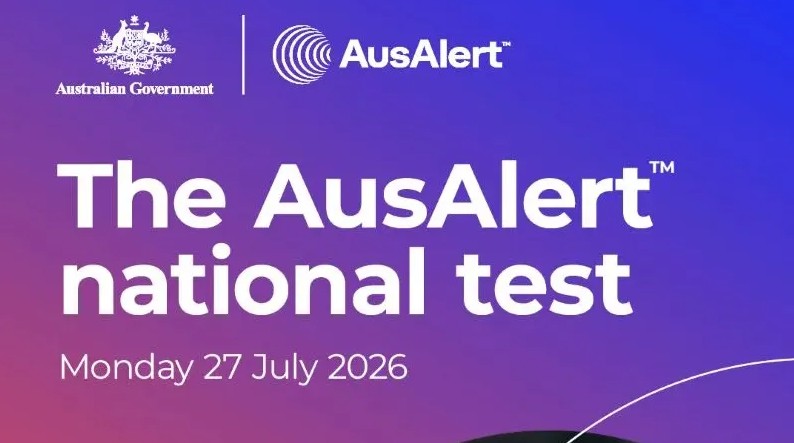
You may notice a loud alert on your phone during clinic hours on 27 July at 12:00 pm (AWST). This is part of the national test of Australia’s new emergency warning system, AusAlert.
What is AusAlert?
AusAlert is a new national system that sends urgent emergency warnings directly to mobile devices. It uses cell‑broadcast technology to deliver messages instantly to everyone in a specific area, even when mobile networks are busy.
Alerts provide clear, actionable information about:
- What the emergency is
- Where it is happening
- How serious it is
- What people should do next
In serious situations, alerts will override silent or ‘do not disturb’ settings, ensuring critical safety information is not missed.
What your team will notice:
- A loud siren-like sound and vibration on mobile devices
- A test message on screen (no action required)
What this means for your practice:
During and after alerts, your team may:
- Receive more patient calls and questions
- See walk-in patients seeking reassurance or advice
- Need to provide calm, consistent information
What you can do:
- Be aware of the test to avoid confusion during clinic
- Reassure patients it is only a test
- Direct patients to official emergency information sources
- Encourage patients that may be experiencing family, domestic and sexual violence (FDSV) to take action if they have a hidden phone for safety reasons
- Follow your practice’s usual communication and triage processes
If you don’t want to receive the test alert:
- Turn your phone off or switch to aeroplane mode at the test time
- Note: Critical alerts cannot be turned off via device settings
Tip: Treat this as a quick team check-in — if this were a real emergency, would everyone know what to do?
For more information on AusAlert and community resources visit the AusAlert stakeholders website.
Nominations now open! 2027 WA Rural Health Excellence Awards

Rural Health West is excited to announce that nominations are now open for the 2027 Western Australian (WA) Rural Health Excellence Awards!
These prestigious awards recognise and celebrate health professionals who have dedicated their careers to providing exceptional care in rural communities across WA.
You are invited to nominate a colleague who has made a significant contribution to rural health or encourage your patients to nominate you if they believe your work has made a difference in their lives. This is a wonderful opportunity to shine a spotlight on the hard work and commitment of rural health professionals.
Award categories:
- Aboriginal Health Professional of the Year
- Allied Health Professional of the Year
- Clinical Leader of the Year
- Early Career Health Professional of the Year
- General Practitioner (GP) of the Year
- Health Service Contributor of the Year
- Health Team of the Year
- Nurse or Midwife of the Year
- Specialist (Non- GP) of the Year
The awards acknowledge the dedication of health professionals who have enhanced the range and quality of medical care available in rural WA. Whether it’s through exceptional patient care or leadership in clinical practice, we want to celebrate those who make a difference.
To learn more about each award category and the nomination criteria, please visit the WA Rural Health Excellence Awards website.
Mount Lawley Hospital transition: update for GPs
From 1 September 2026, St John of God Mount Lawley Hospital will transition into the Western Australian (WA) public health system following the State Government’s purchase of the hospital from St John of God Health Care.
The hospital will become Mount Lawley Hospital, part of East Metropolitan Health Service and the Royal Perth Bentley Mount Lawley Group. The transition will increase public hospital capacity while building on the established services and clinical expertise at the Mount Lawley site.
Mount Lawley Hospital will provide a range of public services, including general medical, rehabilitation and geriatric services, older adult mental health, outpatient clinics, day procedures, endoscopy and surgery. Surgical and endoscopy services will commence following upgrades to theatre infrastructure, equipment installation and commissioning, with commencement dates to be confirmed.
What this means for GP referrals
GPs should continue to use established WA public hospital referral pathways, including the Central Referral Service and usual public outpatient referral mechanisms. Mount Lawley Hospital will not accept direct referrals. Patients already receiving public care will be contacted directly if there are any changes to their appointments or care arrangements.
Questions about the transition can be sent to emhs.mtltransitionprogram@health.wa.gov.au
Updated syphilis guidance for primary care
The Australasian Society of HIV Medicine and The National Aboriginal Community Controlled Health Organisation have updated the Syphilis Guidance for Primary Care website, which provides practical information to support syphilis diagnosis, treatment and management in primary care settings. Clinicians are advised to visit the website for the most up-to-date information about syphilis in primary care.
For more information visit the Syphilis Guidance for Primary Care website.
Immunisation and cancer screening updates
Meningococcal Y case in WA
WA Health has reported a fatal case of meningococcal serogroup Y disease in an adult – the first serogroup Y case recorded in the state this year.
Two other cases of invasive meningococcal disease reported in WA earlier this year were serogroup B.
Meningococcal vaccination is recommended for:
- infants, children, adolescents and young adults
- special risk groups, including Aboriginal and Torres Strait Islander people and individuals with certain medical conditions.
Meningococcal vaccines are available free under the National Immunisation Program for eligible people.
WA Health is encouraging vaccination and awareness of meningococcal disease symptoms to support early diagnosis and treatment.
Read the WA Health media release here.
The WA Immunisation Schedule can be accessed here along with the NCIRS meningococcal FAQ’s here.
Vaccine administration errors
Recent reports to the Vaccine Safety Surveillance (WAVSS) system identified vaccine administration errors involving influenza vaccines, particularly FluMist and Fluad being recorded as administered outside their registered age groups.
Immunisation providers are encouraged to check vaccine age indications before administration.
See the Therapeutic Goods Administration’s Medicine Safety Update, Be alert to FluMist® indicated age range, for more information.
Updated WA Immunisation Schedules and campaign resources
The WA Immunisation Schedule and WA Aboriginal Immunisation Schedule have been updated to include the following programmatic changes:
- Expanded eligibility for the 2026 regional WA diphtheria outbreak vaccination program
- FluMist® is now funded in Western Australia (WA) for all children and adolescents aged 2 to 17 years
- The Free Influenza Vaccine Program has been extended until 31 July 2026, ensuring that all Western Australians aged 6 months or older are eligible for a free influenza vaccine throughout July
- The new adult pneumococcal vaccination program through the National Immunisation Program commenced 1 July 2026
The ‘Be Wise Immunise’ resources, including toolkits for providers, schools and early childcare providers, have been updated to include information regarding the 2026 WA Health Nasal Spray Influenza Vaccine Program eligibility expansion and the Free Influenza Vaccine Program extension. Resources such as posters and brochures have also been updated to reflect the new program dates.
Updated information can be accessed here: Campaign Be Wise Immunise

Respiratory syncytial virus (RSV) vaccination
RSV season has commenced in Western Australia (WA), with RSV notifications and hospitalisations higher compared to the previous four-year average. Almost half of the notifications have been among children aged less than 5 years.
Many newborns and infants still need protection from RSV.
The WA Department of Health encourages immunisation providers to recommend Abrysvo to pregnant women from 28 weeks’ gestation, and Beyfortus® to parents of eligible infants.
It is not too late to immunise infants ahead of peak RSV season. Beyfortus® provides almost immediate protection against RSV infection and remains highly effective for at least 5 months.
Access further information about RSV immunisation: WA Respiratory Syncytial Virus (RSV) Immunisation Programs.
Mpox awareness and prevention campaign
In response to the rising number of mpox cases, the WA Department of Health has launched a campaign to raise awareness of the risks of contracting the virus and to promote prevention, testing and vaccination across the state.
The campaign is a response to the increase in notified mpox cases, with 34 cases reported so far in 2026, compared with 28 cases reported in 2025. In addition to cases among gay, bisexual and other men who have sex with men, infections have also been reported in heterosexual men and women.
Campaign materials include social media tiles, videos and digital displays, as well as general awareness and educational resources.
Those who are recommended to receive the mpox vaccine are encouraged to do so, especially before travelling overseas to areas with high mpox transmission.
The campaign will run until the end of September 2026.
Access the campaign materials here.
Bowel Cancer Waits For No One campaign launch
On 1 June 2026, the Australian Government launched a refreshed national campaign to increase participation in the National Bowel Cancer Screening Program (NBCSP).
Delivered in partnership with Cancer Council Australia, the campaign, ‘Bowel cancer waits for no one’, tells Australians aged 45-74: ‘Don’t wait. Test now.’
The campaign will feature ads across free-to-air television, radio, video on demand, out-of-home, digital and social channels.
The campaign will be supported by a targeted community engagement program focused on areas with lower bowel screening participation.
There will be 98 community engagement events delivered via roadshow across 35 regions over the next 2 years, including:
- Large-scale interactive activations/pop-up events (Loo Post)
- Local café partnerships (Catch It Early Café)
- Community focused events and targeted activities
Your practice can help support the campaign by:
- Promoting local community engagement events and campaign messaging through your networks. Visit the Campaign Hub and campaign website for content and the Mail that saves lives events page for event dates
- Your practice can take part in upcoming community engagement events, this will support the campaign and strengthen its message through credible, expert-led conversations. Please reach out to CancerScreeningCommunications@Health.gov.au if you’d like to get involved
- Continue to promote bowel screening to eligible participants and follow up with those who have not returned their kits. View your patient’s screening history through the NCSR to check if they’re due to screen

HPV vaccination catch-up reminder
As an immunisation provider, you help protect your community from vaccine-preventable cancers.
- Cervical cancer is almost entirely preventable and is mainly caused by HPV
- Around 950 women in Australia are expected to be diagnosed this year, with about 250 deaths
- Australia’s national HPV vaccination program has reduced HPV infections and saved lives
- The HPV vaccine is offered to all Year 7 students in WA, with free catch-up available to people under 26
- Australia aims to eliminate cervical cancer by 2035 and reach 90% HPV vaccination coverage by 2030
Some adolescents may miss HPV vaccination at school due to illness or absence. Please routinely check the immunisation status of patients aged 12 to under 26 while they remain eligible for free HPV vaccination.
HPV vaccination coverage among 15-year-olds in WA remains below the 90% target. Increasing HPV vaccine uptake in people aged 12 to under 26 is essential to eliminating cervical cancer.
While most HPV vaccines are given through the School-based Immunisation Program, general practice and other health professionals are key to vaccinating adolescents who miss school-based opportunities and improving coverage nationally.
Your support includes:
- using recall systems to keep patients up to date with vaccines
- vaccinating people aged 12 to under 26 who missed HPV vaccination at school
- discussing HPV vaccine benefits and risks with parents and carers through supportive conversations
- asking patients to contact your clinic if they or their child want the vaccine, so stock can be ordered if needed
- recording HPV doses on the Australian Immunisation Register (AIR)
Subscribe to the WA Department of Health Vaccine Updates newsletter for immunisation news and program updates.
Research and surveys
Elevating clinicians’ voices to address harm from alcohol
The Alcohol Program Team at Cancer Council WA is seeking clinicians who would be interested in contributing to efforts to increase community awareness of alcohol as a cause of cancer and other alcohol-related harms. They want to hear about how you communicate with patients about alcohol use and your story about the role you play as a trusted source of information to contribute to preventing alcohol harms.
If you are interested in being interviewed as part of this advocacy initiative, please get in touch with Tess Fletcher, Alcohol Policy and Research Senior Coordinator at tess.fletcher@cancerwa.asn.au to discuss further. Alternatively, if you know of someone else that you think would be suitable, please encourage them to get in touch.
Education and events
Designated Registered Nurse Prescribing Webinar
Presented by WA Health and WA Primary Health Alliance
Country Webinar: 23 July (6pm to 7pm)

WA Health and WA Primary Health Alliance invite GPs, general practice staff and other interested primary health care professionals to learn more about the Nursing and Midwifery Board of Australia’s designated registered nurse (RN) prescribing endorsement and application in primary care settings.
To support meaningful and evidence-based Q&A, we invite you to submit questions when registering.
Given the evolving nature of this new endorsement, this webinar will not address operational matters relating to MBS billing, remuneration implications associated with additional qualifications or specific clinical governance issues.
To find out more, view the flyer and register for the Country Webinar today.
Practice Manager Virtual Networking – August
Presented by WA Primary Health Alliance
6 August (11am to 12pm)

Join us at our fourth Practice Manager Virtual Networking Session, which will provide an opportunity for you to connect, discuss topics of interest, share information and raise questions with your WA Primary Health Alliance (WAPHA) support team and other local general practices. These sessions will be held every two months.
When you register for each virtual session, you can indicate which topics you would like to be discussed by using the free text box.
To make the most of these interactive virtual sessions, you will need to have access to a microphone and camera, if possible.
To find out more, view the flyer and register today.
Webinar: PIP QI made simple
Presented by WA Primary Health Alliance
2 September (12pm to 1pm)

Join us for a practical webinar that will provide an overview of the Practice Incentives Program Quality Improvement (PIP QI) Incentive and what it means for your practice.
To find out more, view the flyer and register today.
Other Webinars, Events & Workshops
| PrEP in Practice: The Role of Primary Care in HIV Prevention Presented by ASHM 23 July |
| Beyond the C National Webinar – Hepatitis C in Primary Care Presented by ASHM 28 July |
| BreastScreen WA mobile visit to Dumbleyung Presented by BreastScreen WA 28 July to 30 July |
| Chronic Conditions and Loneliness Course Presented by eCentreClinic 29 July to 23 November |
| Impact Cafe: Seniors Support Sector Presented by Western Australian Community Impact Hub 3 August |
| BreastScreen WA mobile visit to Wongin Hills Presented by BreastScreen WA 4 August to 14 August |
| Intro to CBT for Health Professionals Presented by Black Dog Institute 8 August |
| BreastScreen WA mobile visit to Cottesloe Presented by BreastScreen WA 10 August to 21 August |
| FDV safety planner webinar Presented by Women’s and Newborn Health Service 12 August |
| Australasian Viral Hepatitis Conference Presented by Hepatitis WA 12 to 14 August |
| WA Hepatitis B Advanced Management and Prescribing Presented by ASHM 15 August |
| Aboriginal Health Conference 2026 Presented by Rural Health West 16 August |
| BreastScreen WA mobile visit to Moora Presented by BreastScreen WA 17 August to 4 September |
| BreastScreen WA mobile visit to Darkan Presented by BreastScreen WA 18 August to 19 August |
| BreastScreen WA mobile visit to Williams Presented by BreastScreen WA 20 August to 25 August |
| BreastScreen WA mobile visit to Claremont Presented by BreastScreen WA 24 August to 4 September |
| BreastScreen WA mobile visit to Dunsborough Presented by BreastScreen WA 24 August to 5 November |
| Course in Ear Wax Removal (Microsuction) Presented by Benchmarque Group 10 September |
Acknowledgement
WA Primary Health Alliance acknowledges and pays respect to the Traditional Owners and Elders of this country and recognises the significant importance of their cultural heritage, values and beliefs and how these contribute to the positive health and wellbeing of the whole community.